 Dental implants
 have revolutionized the field of prosthodontics! If you are in need of a tooth replacement, an implant restoration is usually the ideal solution. Thanks to advancements in technology and techniques, implants can be used to support a single crown, a partial bridge, or even a full-arch restoration. At
Edmonds Dental Studio,
Dr. Hasan Dbouk specializes in implant restorations because we want our patients to have the best possible care.
What Are Dental Implants?
A
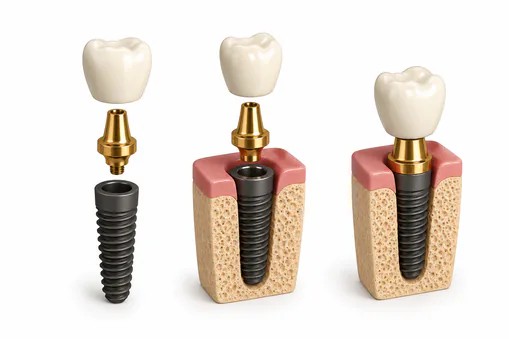
dental implant is a tiny titanium screw that we surgically embed into the jawbone. Once an implant is in place, the screw will slowly fuse to your bone through the process of osseointegration. Osseointegration is largely responsible for the success of implant treatment, and many of its benefits.
Once osseointegration is complete, we attach an abutment to the top of the implant screw. An abutment is an additional support structure that links the implant screw to a restoration. The placement of an abutment usually requires a second surgery. In some cases, we may be able to place the abutment at the same time as the implant screw.
After the abutment is in place, we must take an impression of the area. The impression is used to produce a 3D model of your mouth. This model allows us to produce a precise, comfortable, and effective restoration.
Types of Implant-Supported Restorations
The number of missing teeth, the health of your jawbone, and the location of the restoration will dictate the type of implant restoration you receive. During your initial consultation, Dr. Hasan Dbouk will be able to determine which restoration is right for you. The three major types of implant restorations include:•
Single Crown: An implant-supported crown is an excellent alternative to a partial denture or traditional bridge.
•
Fixed Partial bridge: A fixed partial bridge can be used to replace multiple missing teeth adjacent to one another. In most cases, we place an implant for each missing tooth. However, it is also possible to suspend a pontic (false tooth) between two screws.
•
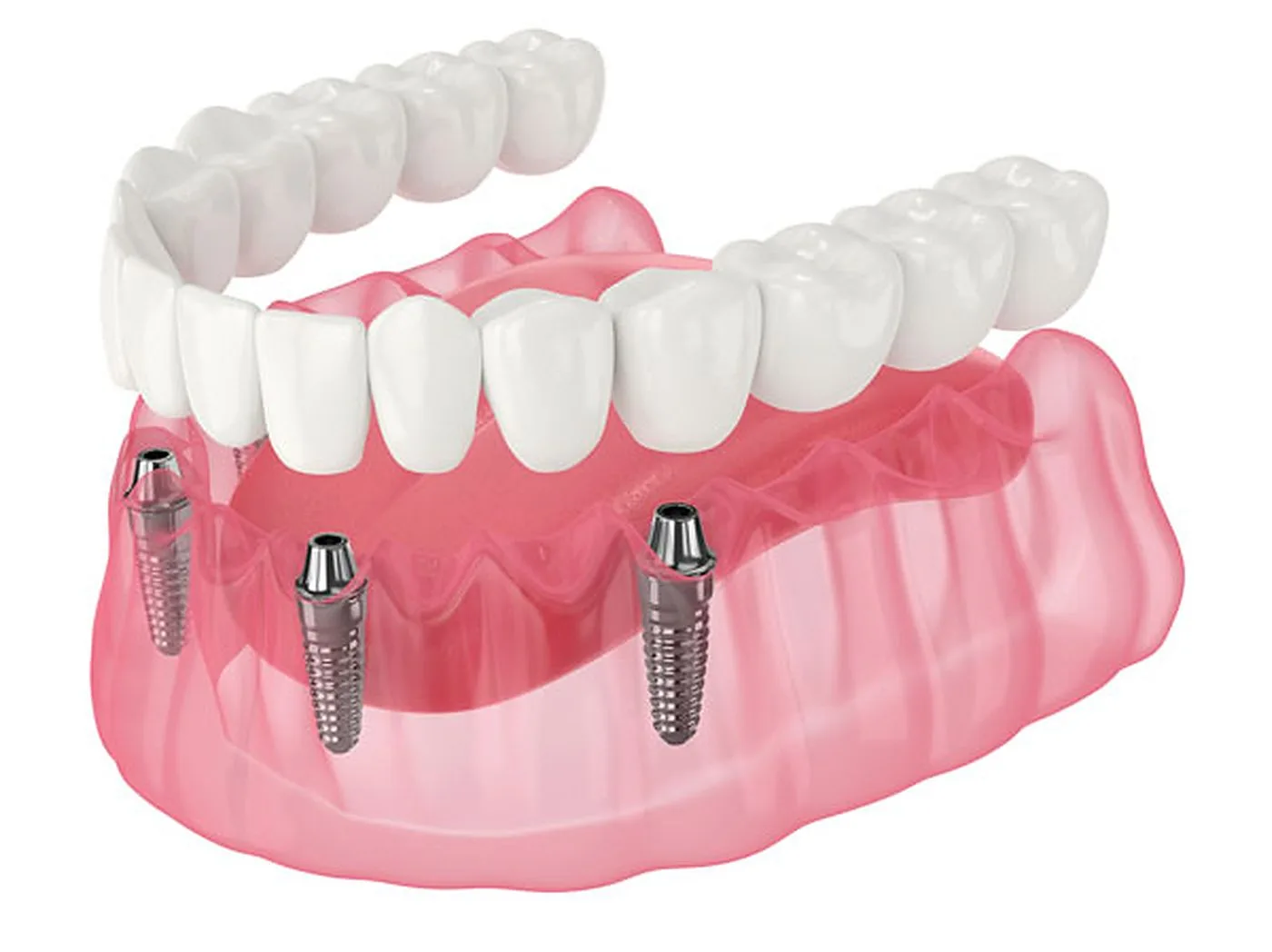
Full-Arch Restoration: If you are missing all or most of your teeth, we typically recommend a full-arch restoration. Implant-supported full-arch restorations include overdentures, complete fixed bridges, All-on-4® Treatment Concept, and the Trefoil treatment concept.
Benefits of Implant Restorations
Implant-supported restorations have several benefits over more traditional options. Some of these benefits include:•
Durability: Implant-supported restorations are perhaps the most durable replacement option available. With the proper care and maintenance, your implant could even last a lifetime.
•
Convenience: An implant-supported restoration can be treated like your natural teeth, with regular brushing, flossing, and professional checkups. Other appliances may require special cleaning techniques.
•
Aesthetics: We use the finest restorative materials available today, making your restoration virtually indistinguishable from your natural teeth.
•
Comfort: Because the implant screw becomes a part of your bone structure, your restoration will not cause any discomfort or irritation to your gums.
•
Long-term Oral Health: Implant restorations do not affect your surrounding teeth. The implant screw also provides physical stimulation that prevents jawbone deterioration.
•
Success Rate: Implant procedures have a success rate of 95 to 98 percent. As long as you qualify for treatment and follow our guidelines, your surgery should be a success!
Schedule Your Consultation Appointment
If you are around Edmonds, Wa and would like to learn more about implant restorations, we are happy to help! Call
(425) 775-1045 to schedule your consultation appointment today!