Overdenture Edmonds, WA

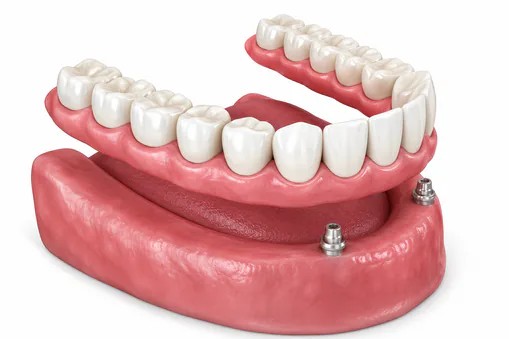
3D rendering of overdentures in a mouth at Edmonds Dental Studio in Edmonds WashingtonIf you are missing all or most of your teeth, you are not alone. Tooth loss in the United States is more common than you may think. According to the American College of Prosthodontists (ACP), about 120 million Americans are missing at least one tooth. Luckily, patients have more options than ever before when it comes to tooth replacements. At Edmonds Dental Studio, Dr. Hasan Dbouk specializes in a wide variety of full-arch restorations, from removable dentures to fixed complete bridges. Overdentures land somewhere in between these two options.

What Is an Overdenture?

An overdenture is an oral appliance designed to replace a full arch of missing teeth in the upper or lower jaw. In many ways, an overdenture is similar to a traditional denture. Like dentures, the appliance is removable and consists of prosthetic teeth set in a pink-colored, acrylic base. However, an overdenture is supported by a series of dental implants, while a traditional denture rests on the gums. A dental implant is a small titanium screw that we surgically embed into the jawbone. Through a process known as osseointegration, the implant screw fuses to the jawbone to form a powerful bond. This bond allows the implant to serve as the root component of the prosthesis, in this case, an overdenture.

Overdentures Vs. Traditional Dentures

Because the appliance is retained by dental implants, an overdenture has some benefits over traditional dentures. The use of implants helps stabilize the appliance, which improves the effectiveness and durability of your treatment. Even though it is still removable, your overdenture will remain secure as you eat, speak, smile, and yawn. A traditional denture relies on your gums and sticky adhesives to remain in place. Dentures designed for the upper jaw even cover part of the palate for support. Unfortunately, this can result in irritation issues, embarrassing slips, and speech problems. Thanks to implants, an overdenture allows you to chew your food more thoroughly without having to worry about slips. This promotes better digestion and improves the comfort of your appliance. Overdentures can even result in higher self-esteem and better confidence, knowing your appliance is secure, durable, and aesthetically pleasing!

The Importance of Implants and Osseointegration

Osseointegration is not only responsible for the success of your implants; it is also one of the biggest benefits! When you lose your teeth, you lose the physical stimulation that keeps your jawbone healthy and strong. If your tooth loss remains untreated, you will likely experience significant bone deterioration. Bone deterioration can result in a less youthful facial structure. Due to this deterioration, traditional dentures need to be relined or replaced at regular intervals to ensure the proper fit. Dental implants provide physical stimulation to the jaw and prevent bone deterioration. This improves the longevity of your overdenture and helps you maintain a more youthful appearance. Implant therapy is the only replacement treatment that prevents bone deterioration. If your bone has already begun to atrophy, it can affect the success of your treatment. Luckily, a bone graft can foster the growth of new bone strong enough to support dental implants.

Schedule Your Consultation Now!

Find out if an implant-supported overdenture is right for you! Call (425) 775-1045 and schedule your consultation appointment now!

Why Choose an Overdenture

Benefits of Overdentures

An implant-supported overdenture combines the coverage of a full-arch denture with the anchorage of dental implants. Rather than sitting on the gums, the appliance clips onto a few strategically placed implants using snap-on attachments or a supporting bar — giving you a secure fit you can still remove and clean at home.

Snaps Securely Into Place

Locator-style attachments or a bar hold the denture to the implants, so it stays put while you eat, speak, and laugh instead of relying on suction or adhesive paste.

Removable for Easy Cleaning

You can take the overdenture out each day to clean the appliance and the tissue and attachments around your implants — supporting long-term implant and gum health.

Helps Preserve the Jawbone

Because the implants transmit chewing forces into the jaw through osseointegration, an overdenture can help slow the bone resorption that usually follows tooth loss.

Stable Full-Arch Support

A small number of implants — often two to four per arch — can retain an entire arch of teeth, offering more stability and chewing efficiency than a conventional removable denture.

Common Questions

Overdenture FAQ

An implant-supported overdenture is a removable full-arch denture that snaps onto dental implants placed in the jaw rather than resting on the gums. A small number of implants are fitted with snap-on attachments (often called locators) or a connecting bar, and the denture clips securely onto them. Because it is retained by the implants, the appliance stays far more stable than a conventional denture while remaining removable for daily cleaning.

Most implant-supported overdentures are retained by roughly two to four implants per arch, though the exact number depends on your bone volume, jaw, and the retention design chosen. Lower-jaw overdentures are commonly supported by two implants, while upper-jaw cases often use more. Your dentist determines the right number after reviewing diagnostic imaging.

A conventional denture rests on the gums and relies on suction or adhesive to stay in place, which can allow slipping while eating or speaking. An overdenture instead clips onto dental implants for stability, improving chewing and confidence. Because the implants transmit chewing forces into the bone, an overdenture can also help slow the jawbone resorption that typically follows tooth loss.

Yes. An overdenture is designed to be taken out daily so you can clean the appliance and gently clean around the implants and attachments. Removing it also lets you soak the denture and check the snap-on attachments, which can wear over time and occasionally need replacement. Good daily hygiene helps reduce the risk of gum inflammation around the implants.

Good candidates generally have enough healthy jawbone to support implants and healthy gum tissue. When bone volume is limited, a bone graft can often rebuild the site so implants can be placed. As with any implant procedure, there are risks such as implant failure, infection around the implant (peri-implantitis), and an initial adjustment period, so a consultation with imaging is used to confirm candidacy and plan treatment.

Schedule Your Visit

Edmonds Dental Studio — Advanced Implant & Cosmetic Dentistry in Edmonds, WA. Call or request an appointment today.