If you are missing one or more teeth, you may be wondering about possible replacement options. At
Edmonds Dental Studio, we believe dental
implants are the ideal solution for most patients. If you are missing multiple adjacent teeth, we may recommend a partial fixed bridge.
Components of an Implant-Supported Bridge
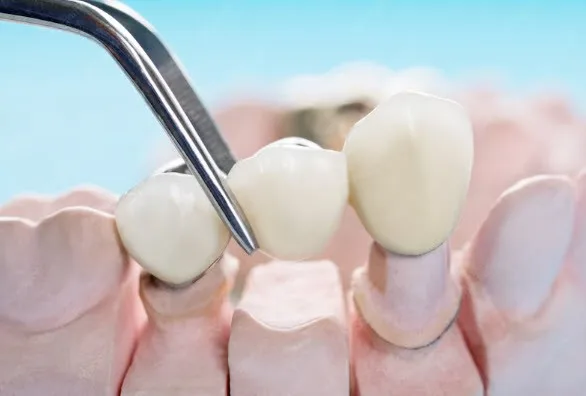
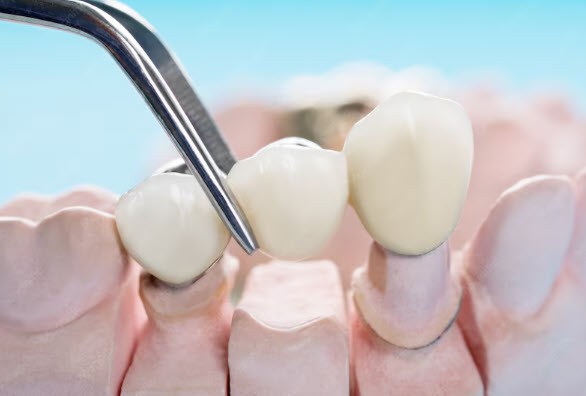
There are three major components to a partial fixed bridge:
- The Implant Post: A tiny titanium screw that serves as the root element of a prosthesis.
- The Abutments: Support structures that link the implant screw to the restoration.
- The Bridge: A series of dental crowns that link together to form a single appliance.
The Implant Procedure
The
implant procedure is typically split up into two surgeries. During the first surgery,
Dr. Hasan Dbouk will place the
implants. The number of implants you receive depends on the number of missing teeth. We generally place an implant screw for each missing tooth. If this is not possible due to the location, we can also suspend a pontic between two implant posts.
Once the implants are in place, the first surgery is complete. Over the next six to 12 months, the implant screws will fuse to your bone through a process called osseointegration. Osseointegration is largely responsible for the many benefits of implant-supported bridges. After osseointegration is complete, the implants should be able to support your restoration against the strongest forces of your bite.
During the second surgery, we will expose the implant heads and attach the abutments. In some cases, it may be possible to place the abutments at the same time as your implants. Most of the time, however, we must wait until after osseointegration. Once the abutments are in place, we will take an impression of the area.
The impression will be sent to our dental laboratory, where our technicians will use it to fabricate your final bridge. The fabrication process may take a couple of weeks to complete. In the meantime, we may equip you with a temporary bridge to restore your ability to chew and speak properly.
Partial Fixed Bridge Vs. Traditional Bridge
A partial fixed bridge has some advantages over a traditional bridge. Because a traditional bridge relies on your surrounding teeth for support, it can lead to secondary complications later down the line. For instance, your supporting (abutment) teeth may experience strain that causes them to crack or fracture. Bacteria can also lead to infection underneath the crowns, resulting in tooth decay.
A partial fixed bridge gets its support from the implants and your underlying bone. This eliminates the risk of damaging your surrounding teeth. The implants also stimulate the jaw and prevent bone deterioration. A traditional bridge does not provide this stimulation. Over time, bone deterioration will occur, making it harder to place implants in the future.
Both types of bridges will keep your remaining teeth from shifting out of their proper alignment. If you choose not to replace your missing teeth, your surrounding teeth will compensate for the open space and shift out of position. In this way, both bridges prevent future misalignments and malocclusions (problems with your bite).
Schedule Your Consultation
Find out if a partial fixed bridge is right for you! Call
(425) 775-1045 to schedule a consultation appointment today!